
When it comes to home design, flooring and surface finishes play a pivotal role in defining the character and comfort of a space. Among the many options available, Travertine Tiles have gained immense popularity for their natural beauty, durability, and timeless appeal. Whether you are building a new home or renovating an existing one, incorporating travertine into your design is a decision that blends both style and substance. In this article, we’ll explore why travertine tiles are a must-have for every home and how other earthy materials like Terracotta Tiles complement them beautifully.
What Are Travertine Tiles?
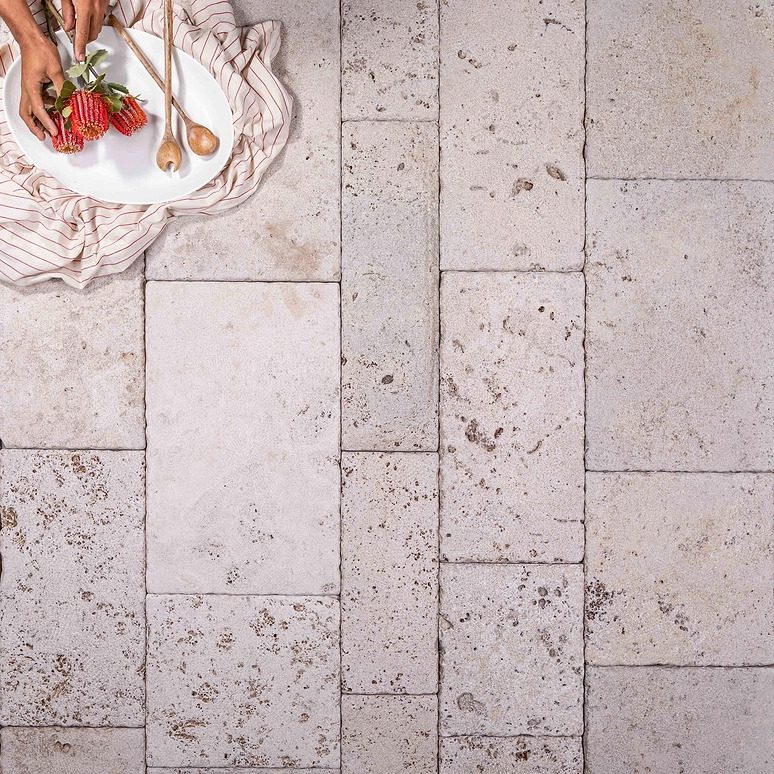
Travertine is a type of natural stone formed by mineral deposits from hot springs. Known for its warm tones and distinctive patterns, it has been used in architecture for centuries, dating back to the Roman Empire. Travertine tiles come in various finishes polished, honed, brushed, or tumbled making them versatile for different interior and exterior applications.
1. Timeless Beauty and Natural Elegance
One of the primary reasons homeowners choose travertine tiles is their timeless beauty. The neutral color palette ranging from ivory and beige to walnut and silver allows them to blend effortlessly with any décor style. Their subtle veining and soft textures create a refined, organic look that feels both luxurious and grounded.
Pairing travertine tiles with rustic elements like terracotta can enhance this natural vibe. While travertine adds a touch of elegance, terracotta tiles contribute warmth and character, creating a balance that feels harmonious in both modern and traditional settings.
2. Durability That Lasts for Decades
When properly maintained, travertine tiles can last for decades. They are resistant to scratches, cracks, and heavy foot traffic, making them ideal for high-use areas such as kitchens, living rooms, and hallways. Their ability to withstand extreme temperature changes also makes them suitable for outdoor applications.
Similarly, terracotta terracotta materials have stood the test of time. Originating from baked clay, terracotta has been used in construction for thousands of years. Terracotta roof tiles, in particular, are celebrated for their durability and weather resistance. Together, these natural materials create a home environment that is not only stylish but built to last.
3. Eco-Friendly and Sustainable Choice
Travertine is an eco-conscious material. It is a natural stone that requires less processing compared to synthetic alternatives, reducing its environmental impact. For homeowners looking to embrace sustainable living, travertine is a smart flooring and wall cladding option.
The same goes for tile flooring terracotta solutions. Terracotta is made from natural clay and is often locally sourced, reducing transportation emissions. Its earthy tones also help regulate indoor temperatures, keeping homes cooler in the summer and warmer in the winter.
4. Versatility in Design
Travertine tiles are incredibly versatile. They can be used in:
- Flooring: Add a sophisticated finish to living rooms, kitchens, and bathrooms.
- Walls: Create feature walls or backsplashes with honed or tumbled tiles.
- Bathrooms: Their non-slip finish makes them ideal for wet areas.
- Outdoor patios and pathways: Tumbled travertine provides a rustic yet refined look.


When used alongside terracotta tiles, the design possibilities expand even further. For instance, a Mediterranean-style patio combining travertine floors with terracotta accents offers an inviting and cohesive look. The warm tones of terracotta terracotta can highlight the subtle veining of travertine, enhancing visual interest.
5. Increases Property Value
Installing high-quality materials like travertine not only elevates the aesthetic of your home but also increases its market value. Prospective buyers are often drawn to natural stone features due to their premium look and long-lasting durability.
Adding touches of terracotta tiles or terracotta roof tiles can further enhance curb appeal. These materials signify craftsmanship and quality, appealing to homebuyers looking for both function and flair.
6. Easy Maintenance
Contrary to what some may believe, travertine tiles are relatively easy to maintain. Regular sweeping and occasional mopping with a pH-neutral cleaner are typically enough to keep them looking new. Sealing the tiles every couple of years can prevent stains and water absorption, ensuring their longevity.
Terracotta requires similar care. Tile flooring terracotta may be porous, but with the right sealant, it becomes highly resistant to stains and moisture. This makes it a great partner to travertine in areas where ease of maintenance is a priority.
7. Improves Indoor Air Quality
Unlike carpets that can harbor allergens, dust, and mold, natural stone surfaces like travertine promote a healthier indoor environment. They do not emit volatile organic compounds (VOCs) and are easy to clean, making them ideal for households with children or allergy sufferers.
Pairing terracotta with travertine amplifies these health benefits. Natural clay in terracotta tiles does not contain harmful chemicals, ensuring that the air inside your home remains clean and fresh.
8. Excellent for Radiant Heating Systems
Travertine’s natural thermal properties make it ideal for use with radiant heating systems. It retains and radiates heat efficiently, keeping your floors warm during colder months. This feature not only adds comfort but also improves energy efficiency.
Tile flooring terracotta shares this benefit, making both materials suitable for eco-friendly, cozy interiors. Imagine stepping onto a heated travertine or terracotta floor on a winter morning. It’s the kind of comfort that adds real value to daily life.
9. Perfect for Indoor-Outdoor Flow
For homeowners looking to blur the line between indoor and outdoor living spaces, travertine tiles are an excellent choice. Their slip-resistant texture and ability to withstand weathering make them ideal for patios, verandas, and pool decks.
Using terracotta roof tiles or terracotta pavers in the surrounding areas complements travertine’s natural tones, creating a seamless transition. The combination fosters an earthy, Mediterranean ambiance that turns any home into a sanctuary.
10. Combining Tradition with Modern Aesthetics
Travertine’s neutral tones and natural appeal blend effortlessly with both modern minimalism and traditional charm. Whether you’re designing a sleek urban home or a rustic farmhouse, travertine offers the flexibility to align with your vision.
Meanwhile, terracotta terracotta products bring in a rustic, old-world feel that balances out the modern edge of travertine. Together, they create interiors that feel both fresh and rooted in tradition, a rare combination that’s difficult to replicate with synthetic materials.
Conclusion
Travertine tiles are not just a design trend; they are a long-term investment in beauty, function, and sustainability. Their natural elegance, durability, and versatility make them an essential element in any home design. Whether used on floors, walls, or outdoor spaces, they provide a cohesive and luxurious finish.
Incorporating complementary materials like terracotta, terracotta tiles, and terracotta roof tiles only enhances the overall aesthetic, creating a warm and welcoming environment. And with the added benefits of eco-friendliness, improved indoor air quality, and increased property value, there’s no reason not to make travertine tiles a part of your dream home.
So, if you’re considering your next home improvement project, look no further. With tile flooring terracotta and travertine in your design palette, you’re not just upgrading your home, you’re elevating your lifestyle.